Measuring Training Effectiveness Through Video Analytics
Leverage data and analytics to understand how employees engage with video training content and optimize for better outcomes.
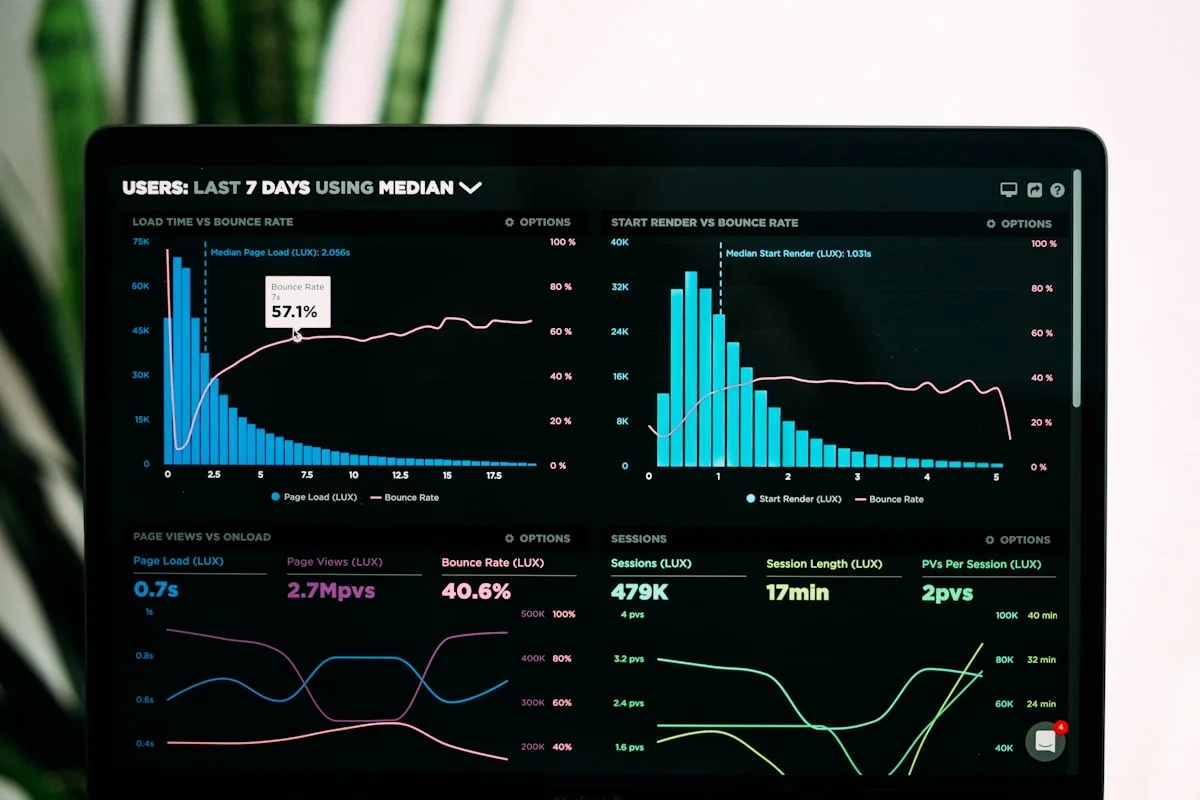
Modern video platforms provide unprecedented visibility into how employees engage with training content. For L&D leaders, this data transforms how programs are evaluated and optimized. Understanding these analytics enables data-driven decisions that improve learning outcomes—not just completion metrics.
The difference between good and great L&D programs increasingly comes down to measurement. Organizations that understand how their content actually performs can iterate and improve continuously. Those relying on completion rates alone are flying blind.
Beyond Completion Rates
Traditional training metrics focus on completion—did the employee finish the course? But completion tells only part of the story. An employee who clicks through at 2x speed, answering quiz questions through trial and error, shows as “complete” just like someone who engaged deeply with every concept.
Video analytics reveal what actually happened during that training session:
- Engagement patterns: Where do learners pay attention vs. disengage? What segments hold attention and which lose it?
- Rewatching behavior: Which sections require repeated viewing? This often indicates either complexity or high importance.
- Drop-off points: Where do learners abandon content? These are your problem areas.
- Speed preferences: Do learners speed up or slow down playback? This reveals pacing effectiveness.
“Completion rate tells you someone finished the course. Analytics tell you whether they learned anything.”
Key Metrics to Track
Engagement Score
Combines multiple factors into a holistic engagement measure:
- Watch time as percentage of total content: Are people watching 100% or skipping to the quiz?
- Interaction with embedded elements: Do people click, respond, and participate?
- Note-taking and bookmarking: Are learners flagging content for later reference?
- Return visits to content: Do people come back when they need information?
A high engagement score correlates strongly with actual learning. Low engagement, even with completion, suggests the content isn’t working.
Heat Maps
Visual representation of attention patterns across your entire learner population:
- High-engagement sections (red/warm colors): Content that captures and holds attention
- Low-engagement sections (blue/cool colors): Content people skip or speed through
- Common rewatch points: Sections people need to see multiple times
- Frequent skip points: Content deemed unnecessary by learners
Heat maps make patterns visible that raw data obscures. A quick glance shows where your content succeeds and struggles.
Drop-Off Analysis
Understanding where learners disengage reveals specific content problems:
- Initial drop-off (first 30 seconds): Hook problems—you’re not capturing attention
- Mid-content abandonment: Engagement problems—you’ve lost them along the way
- Near-completion drop-off: Fatigue or relevance problems—they don’t see value in finishing
- Correlation with content characteristics: Specific topics, presenters, or formats that underperform
Each type of drop-off suggests different interventions. Initial drop-offs need better hooks. Mid-content abandonment needs better pacing or engagement techniques.
Assessment Correlation
Connecting viewing behavior to outcomes:
- Relationship between watch time and assessment scores: Does more viewing lead to better performance?
- Impact of rewatching on comprehension: Do rewatch patterns predict better or worse outcomes?
- Predictive indicators of performance: Can you identify who will succeed or struggle based on engagement?
This correlation matters because it validates (or challenges) assumptions about how content drives learning.
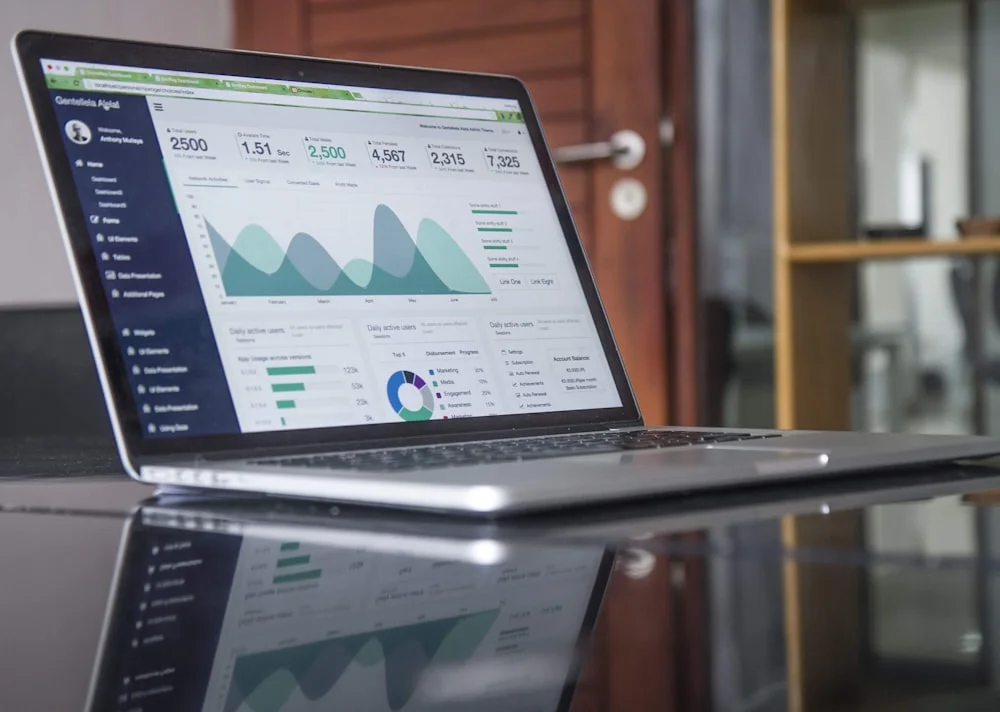
Applying Analytics Insights
Content Optimization
Use analytics to improve existing content:
High drop-off sections may indicate:
- Content too complex or unclear
- Pacing issues (too slow or too fast)
- Relevance concerns—learners don’t see why it matters
- Technical/production quality issues
Response: Revise or replace problematic sections. Don’t assume the content is fine just because it was approved—the data tells you whether it’s working.
Frequently rewatched sections may indicate:
- Complex concepts requiring reinforcement
- Critical information worth emphasis
- Unclear initial explanation
Response: Consider expanding these sections, creating supplementary materials, or improving the initial explanation so rewatching isn’t necessary.
Production Planning
Apply learnings to future content:
- Optimal video length for your audience: What duration maintains engagement?
- Effective pacing and structure: How should content flow for maximum impact?
- Engaging presentation styles: Which formats and presenters perform best?
- Successful content formats: What types of content get the best engagement?
Every piece of content you create should benefit from what you learned from previous content. Analytics enable this learning loop.
Learner Support
Identify employees who may need help:
- Low engagement patterns: People who aren’t engaging may need support or motivation
- Multiple failed assessments despite viewing: Viewing without learning suggests comprehension issues
- Unusual consumption patterns: Patterns that deviate from norms may indicate problems
Response: Proactive outreach and support, not punitive follow-up. The goal is learning, not completion compliance.
Implementation Best Practices
Choose the Right Platform
Not all video platforms offer robust analytics. Key capabilities to require:
- Detailed viewing data: Not just starts/completions, but second-by-second engagement
- Individual learner tracking: Ability to see how specific people engaged
- Export and API capabilities: Getting data out for deeper analysis
- Integration with LMS: Connecting video engagement with broader learning data
Don’t compromise on analytics capability. The insights are worth the platform investment.
Establish Baselines
Before optimizing, understand current state:
- Benchmark engagement metrics: What’s “normal” for your organization?
- Document content characteristics: What factors correlate with performance?
- Identify high and low performers: Which content works and which doesn’t?
You can’t improve what you don’t understand. Baselines enable meaningful comparison over time.
Test and Iterate
Use analytics to drive continuous improvement:
- A/B test different approaches: Try variations and see what works better
- Track impact of changes: Did revisions actually improve engagement?
- Build institutional knowledge: Document what you learn for future content development
The best L&D programs treat content as living assets that improve over time, not one-time productions that never change.
Respect Privacy
Analytics must balance insights with privacy:
- Clear policies on data use: Employees should know what’s tracked and why
- Appropriate aggregation for reporting: Individual data for support, aggregated data for reporting
- Focus on content improvement, not surveillance: The goal is better training, not employee monitoring
Privacy concerns can undermine the entire analytics effort. Be transparent and ethical.
The Future of Training Analytics
Emerging capabilities include:
- Predictive analytics: Identifying at-risk learners before problems emerge
- Content recommendations: AI-driven suggestions based on viewing patterns
- Adaptive content: Video that adjusts based on learner behavior
- Emotion recognition: Understanding learner reactions in real-time
These capabilities are moving from experimental to practical. Organizations that build analytics capabilities now will be better positioned to leverage these advanced tools as they mature.
The organizations that measure effectively will learn continuously and improve relentlessly. Those that rely on completion rates alone will wonder why their training investments don’t produce proportional results.
Video analytics aren’t just a nice-to-have feature. They’re the foundation of data-driven L&D—the difference between hoping content works and knowing whether it does. In a world where training budgets face constant scrutiny, the ability to demonstrate (and improve) training effectiveness isn’t optional.
Start measuring. Start learning. Start improving. That’s how great L&D programs are built.
Kapture Dynamics
Expert insights on L&D content production