The ROI of Professional Training Videos vs. DIY Content
A comprehensive analysis of the true costs and returns of professional video production compared to in-house DIY approaches for corporate training.
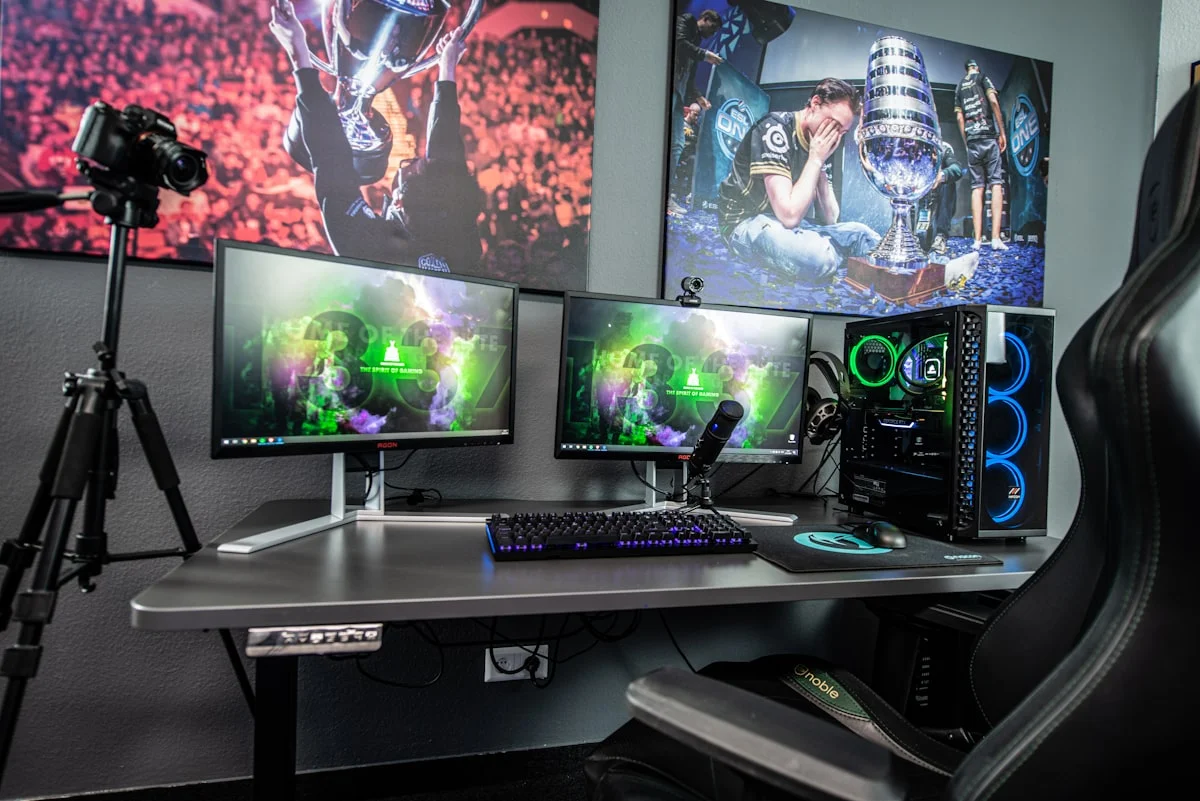
When facing L&D content needs, many organizations consider producing training videos in-house. The logic seems straightforward: buy some equipment, assign the project to an internal team, and save the cost of external production. But this surface-level analysis often leads to decisions that cost more—not less—when all factors are considered.
The real question isn’t “professional vs. DIY”—it’s understanding the true total cost and return of each approach, then making informed decisions about when each makes sense.
The True Cost of DIY
The attraction of DIY is the apparent cost savings. But apparent and actual costs diverge significantly.
Direct Costs
DIY production involves more than just equipment:
- Equipment: Professional cameras, lighting, and audio can cost $10,000-50,000 for a capable setup
- Software: Editing suites, graphics tools, and hosting run $2,000-10,000 annually
- Staff time: Internal team members diverted from primary responsibilities
- Learning curve: Time invested in developing production skills
These direct costs are visible and trackable. But they’re only part of the picture.
Hidden Costs
What organizations often overlook:
Opportunity cost: What else could those employees accomplish? A marketing manager spending 40 hours on video production isn’t spending 40 hours on marketing. The cost of that diverted attention rarely appears in project budgets.
Iteration cycles: Amateur content often requires multiple revision attempts. What a professional team accomplishes in two rounds frequently takes DIY teams four or five attempts—each consuming time and attention.
Employee disengagement: Poor quality content reflects on the organization. Employees notice when training looks amateur, and their engagement (and respect for the content) suffers accordingly.
Compliance risk: DIY content may not meet regulatory standards. When compliance training fails regulatory review, the cost of remediation far exceeds professional production costs.
“The most expensive training video is the one that doesn’t work—regardless of what it cost to produce.”
Professional Production Value
Quality Differential
Professional content production delivers measurable advantages:
- Higher engagement: Better production quality means employees actually watch. Completion rates for professional content consistently exceed DIY alternatives.
- Better retention: Professional storytelling techniques improve learning outcomes. Information presented effectively is information retained.
- Stronger brand perception: Training content reflects organizational standards. Professional production signals that you take employee development seriously.
- Compliance confidence: Content meets regulatory and accessibility requirements without remediation.
Cost Reality
While professional production has higher upfront costs, the total cost of ownership often favors professional:
| Factor | DIY | Professional |
|---|---|---|
| Initial investment | $20,000-50,000 | $30,000-50,000 |
| Annual operating cost | $10,000-20,000 | $0-5,000 |
| Staff time (year 1) | 500+ hours | 50 hours |
| Revision cycles | 3-5 | 1-2 |
| Usable content ratio | 60-70% | 95%+ |
The staff time differential alone often exceeds the difference in direct costs. 500 hours of diverted staff time at $75/hour effective cost equals $37,500 in hidden expense.

The ROI Calculation
Consider a compliance training program—where content quality directly impacts organizational risk:
DIY Approach:
- 65% completion rate
- 45% knowledge retention
- 3 compliance issues annually
- $50,000 in associated costs/penalties
Professional Approach:
- 95% completion rate
- 75% knowledge retention
- 0 compliance issues
- $0 in penalties
The professional content “costs more” upfront but delivers significantly higher ROI when outcomes are measured. The $50,000 in avoided penalties alone exceeds the difference in production investment.
This isn’t hypothetical. Organizations consistently find that compliance incident rates correlate strongly with training content quality. Amateur content that employees click through without engagement doesn’t change behavior.
“ROI isn’t about production cost—it’s about learning outcomes. The cheapest content that doesn’t work has infinite negative ROI.”
When DIY Makes Sense
DIY content can work effectively for specific purposes:
- Quick, informal updates: A 30-second message from a leader doesn’t need broadcast quality
- Behind-the-scenes culture content: Authenticity sometimes matters more than polish
- Executive video messages (with coaching): Direct communication that benefits from personal, not polished, feel
- Supplementary social content: Informal content that complements, not replaces, core training
The common thread: content where authenticity matters more than production value, and where the stakes of poor quality are low.
When to Go Professional
Invest in professional production for:
- Core training curriculum: The foundational content that shapes employee capability
- Compliance-critical content: Where poor training creates organizational risk
- Customer-facing applications: Content that represents your brand externally
- Leadership communications: High-stakes messages that shape organizational direction
- Content requiring cultural sensitivity: Where missteps create significant damage
These categories share a common characteristic: the cost of getting it wrong exceeds the cost of getting it right.
The Hybrid Approach
Many organizations find success with a hybrid model:
1. Professional production for core, high-stakes content
- Compliance training
- Core skills curriculum
- Onboarding programs
- Leadership development
2. DIY supplementation for informal, timely updates
- Quick announcements
- Informal messages
- Social content
- Meeting recordings
3. Templates and guidelines from professionals for DIY efforts
- Consistent look and feel
- Quality standards
- Brand compliance
- Production best practices
This approach maximizes quality where it matters most while maintaining flexibility for day-to-day content needs.

Making the Decision
When evaluating professional vs. DIY for specific content:
Choose Professional When:
- Content will be used for 12+ months
- Audience exceeds 100 employees
- Compliance or regulatory implications exist
- Content represents organizational quality standards
- Stakes of poor quality are high
Consider DIY When:
- Content will be used short-term
- Audience is small and internal
- Informal tone is appropriate
- Speed of deployment matters more than polish
- Stakes of imperfect quality are low
Conclusion
The ROI question isn’t really “professional vs. DIY”—it’s about matching the right approach to each content need.
For training content that drives business outcomes, professional production typically delivers superior returns. The upfront investment is higher, but the total cost—including hidden costs, opportunity costs, and outcome quality—frequently favors professional production.
The organizations that get this right don’t choose based on visible production cost. They choose based on total value delivered. And they find that investing in quality for high-stakes content while using DIY for appropriate applications optimizes both budget and outcomes.
Stop asking “can we produce this in-house?” Start asking “what approach delivers the best outcome for this specific content need?”
The answer will sometimes be professional production, sometimes be DIY, and often be a combination. But making that decision thoughtfully—with full understanding of true costs and returns—leads to better outcomes than defaulting to whichever option seems cheaper at first glance.
Quality training content isn’t an expense to minimize. It’s an investment to optimize. The organizations that understand this build workforces that outperform those still trying to produce everything on a shoestring.
Kapture Dynamics
Expert insights on L&D content production